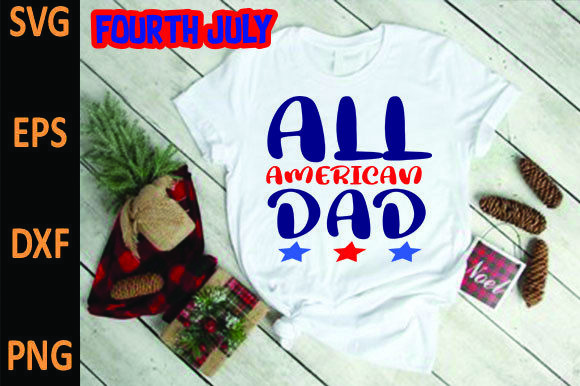
All American Dad
First Impressions: Bold, Patriotic, and Ready for Real Stitches
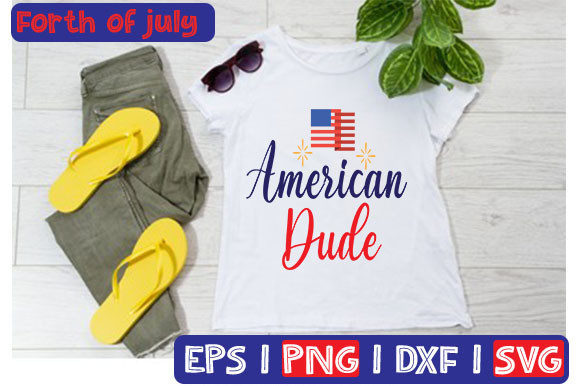
When I opened the All American Dad design, I didn’t see just another 4th of July typography file—I saw a mood. Clean lines, confident letterforms, and that unmistakable warmth of heartfelt patriotism without leaning into cliché. It’s not overly ornate, but it’s not minimal to the point of blandness either. The spacing feels intentional—breathing room between letters, no awkward crowding, and a subtle weight distribution that suggests it’ll hold up well in satin stitch or fill stitch. As a designer who’s stitched hundreds of text-based embroidery files, my first thought was: This belongs on a well-loved sweatshirt, a sturdy tote bag, or a baby onesie meant to be passed down—not buried in a digital folder.
A Real Project Test: Embroidering It on a Linen-Cotton Kitchen Towel
Last week, I used All American Dad for a small-batch order of embroidered kitchen towels for a local boutique. The client wanted something warm and personal—not kitschy—for Father’s Day gifts. We chose natural linen-cotton blend fabric: textured, slightly uneven, and unforgiving with dense stitching. I hooped it with medium-weight cutaway stabilizer, tested thread colors (navy and cream), and ran a single sample before committing. The result? Crisp legibility at 3.5 inches wide, no skipped stitches, and zero thread nesting—even where the “A” in “American” meets the curve of the “D” in “Dad.” That told me this isn’t just a pretty PNG—it’s built like a functional machine embroidery design.
Where It Shines—and Where It Needs Thought
All American Dad works especially well for:
- Custom apparel: Sweatshirts, t-shirts, and lightweight jackets—especially when centered on the chest or back. Its balanced height-to-width ratio avoids distortion on curved seams.
- Tote bag design: Stitches cleanly across canvas or denim, holds visual weight without overwhelming the bag’s structure.
- Baby embroidery: On onesies or burp cloths, it reads clearly even at 2.75 inches—no tiny serifs or fragile connectors to snag during washing.
- Holiday embroidery: Fits naturally into 4th of July collections alongside stars, stripes, and fireworks—but stands apart by centering human connection over symbols.
- Embroidered patch: With clean outer edges and moderate detail, it converts easily to an iron-on or sew-on patch for caps or aprons.
But it’s not universally effortless. Use caution on:
- Thin or stretchy fabric: Like jersey knits or rayon blends—tight letter spacing can blur if stabilizer choice or tension isn’t dialed in.
- Dark fabric: The design relies on contrast, so test thread color carefully—avoid light gray on navy; go bold with white or kelly green instead.
- Curved surfaces: Caps or hats need careful digitizing adjustments—this file is likely optimized for flat goods, so consider simplifying curves or reducing density before hooping.
- Small hoop sizes: Below 4 inches, some letter junctions may compress visually—always preview at actual size before stitching.
What It Adds to Your Handmade Product—and What It Doesn’t
All American Dad elevates perceived value because it feels intentional—not generic. Customers recognize sincerity in typography that breathes, balances, and respects fabric. When stitched on a linen pillow cover or a heavyweight apron, it reads as a curated detail, not a last-minute add-on. That builds trust, especially for Etsy sellers and craft fair vendors: buyers don’t just buy a design, they buy the feeling of authenticity behind it.
It doesn’t, however, replace thoughtful execution. This isn’t a “drop-in-and-stitch” file that forgives poor stabilizer choice or rushed hooping. Its clean look depends on clean stitching—so if your finished product has puckering or shadowing, the flaw won’t hide behind busy graphics. That’s actually a good thing: it pushes you to refine your process, which strengthens your brand consistency long-term.
Practical Designer Notes Before You Stitch
Before using All American Dad in your next embroidery project—or listing it as part of your digital embroidery file shop—take these steps:
- Test on scrap fabric first, especially if you’re new to the fiber blend or garment style.
- Check thread color contrast on both light and dark backgrounds—don’t assume black-on-white will translate well to charcoal heather.
- Review stitch density in your embroidery software—look for tight clusters that might cause buildup on textured fabrics.
- Confirm hoop size compatibility—the design may scale well, but verify minimum dimensions before resizing down for baby items.
- Inspect small details like inner counters (the enclosed space inside “A,” “D,” “O”)—they should clear cleanly without filling in.
- Test it in black-and-white mockups to assess visual weight and hierarchy before committing to color.
- Use proper stabilizer—cutaway for stable wovens, tear-away for lighter cottons, and fusible + cutaway for knits.
- Verify licensing terms before selling finished items or bundling the design into your own digital product offerings—this is a digital download, not a commercial-use license by default unless stated.
Final Thought: A Design That Earns Its Place
All American Dad isn’t flashy—but it’s reliable. It’s not complex—but it’s considered. As a T-Shirt Designs asset or Graphics file, it bridges sentiment and simplicity in a way that serves real people making real things: the Etsy seller stitching Father’s Day bundles, the craft business owner building a holiday collection, the parent embroidering a keepsake onesie. It doesn’t shout. It resonates. And in embroidery—where every stitch is a decision—that kind of quiet confidence is rare, valuable, and worth keeping in your working library.