New Year 2022 Pixel Progress Bar
A Designer’s First Glance: Playful, Nostalgic, and Surprisingly Versatile
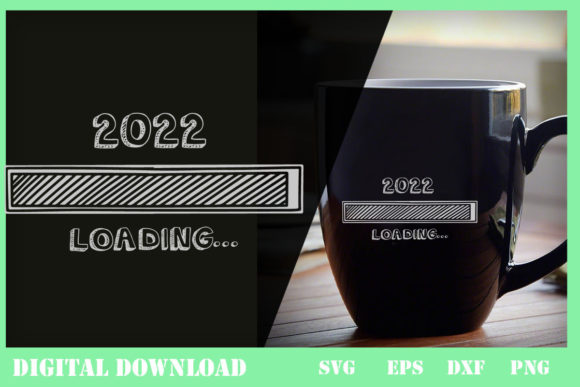
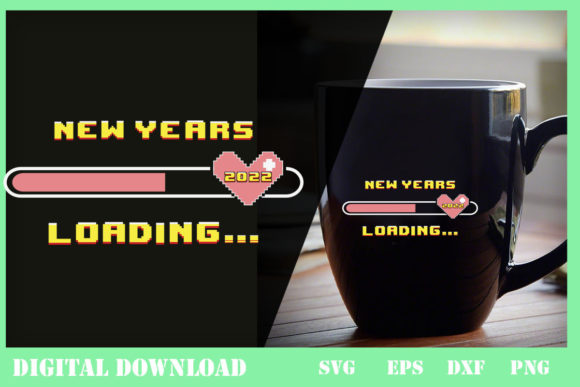
Opening the New Year 2022 Pixel Progress Bar feels like unboxing a tiny time capsule—retro pixel art meets modern celebration. It’s not a fireworks explosion or a glittering “2022” script; it’s a clean, horizontal bar built from square units, each one subtly filled or outlined to suggest forward motion. The mood is lighthearted but intentional—more “we made it this far” than “let’s party.” As a designer who’s stitched hundreds of holiday and milestone motifs, I immediately saw its quiet strength: it’s legible at small scales, scales well across fabric types, and avoids cliché without sacrificing warmth.
Real-World Test: Stitching It on a Linen Kitchen Towel for a Boutique Holiday Gift Set
Last December, I used the New Year 2022 Pixel Progress Bar as the centerpiece for a limited-run embroidered kitchen towel set—sold in a local maker shop alongside matching tea towels and ceramic mugs. We stitched it centered on the lower third of a 28×30” natural linen towel, using a medium-weight cutaway stabilizer and 40-weight polyester thread in charcoal gray. The result? Crisp, confident, and quietly joyful. Customers loved how it read clearly from across the room—not too loud, not too subtle—and how it paired beautifully with minimalist typography elsewhere in the set. It didn’t scream “New Year,” but it *felt* like New Year: grounded, hopeful, and handmade.
Where It Shines (and Where It Needs Thought)
The New Year 2022 Pixel Progress Bar excels in projects where clarity, scalability, and thematic restraint matter:
- Custom apparel: Works cleanly on crewneck sweatshirts (left chest), structured tote bags, and even reversible aprons—especially when paired with a single accent stitch like a tiny star or monogram.
- Baby embroidery: Its low-detail, high-contrast layout makes it ideal for onesies or burp cloths—no risk of tiny stitches snagging or fraying.
- Embroidered patches: The blocky geometry translates beautifully into sew-on or iron-on patches. No satin stitch curves to distort during cutting or wear.
- Holiday gifts & boutique branding: Fits seamlessly into curated gift boxes, greeting card inserts, and printable mockups for Etsy sellers launching a “New Year Reset” collection.
Careful Use Cases: Know Before You Hoop
This isn’t a one-size-fits-all motif—and that’s a good thing. As an embroidery designer, I’ve learned that honesty about limits builds better finished products. Here’s where to pause:
- Small hoop sizes (under 4”): The bar’s full width may require repositioning or slight scaling. Don’t force it into a 3×3” hoop without checking spacing between pixels—stitch density can blur definition.
- Textured or stretchy fabrics: On terry cloth towels or lightweight knits, use tear-away + cutaway hybrid stabilizer. The pixel grid relies on even tension—stretch distorts alignment.
- Dark or layered garments: Because it’s a linear graphic (not a dense fill), contrast matters. Test thread colors against your base fabric—even charcoal can disappear on navy fleece without a white underlay.
- Curved surfaces (caps, beanies): Avoid center-crown placement. Opt for the side panel or back strap where the surface stays flatter. The straight-line rhythm breaks visually on severe curves.
What It Adds to Your Handmade Product—Beyond Aesthetics
The New Year 2022 Pixel Progress Bar doesn’t just decorate—it elevates perception. On a personalized gift, it signals thoughtfulness: not generic, but timely and tactile. For an Etsy seller, it adds design cohesion across listings—a consistent visual thread across towels, patches, and digital printables. For a craft fair vendor, it reads as professional without being corporate. And crucially, it builds customer trust: people recognize intentionality. They see a motif that was *chosen*, not dropped in. That subtlety makes the handmade product feel more valuable—not because it’s flashy, but because it’s considered.
Practical Designer Notes Before You Stitch
Before loading the New Year 2022 Pixel Progress Bar into your machine or bundling it into a digital product pack, take these five minutes:
- Test on scrap fabric first—especially if you’re using textured linen, organic cotton, or performance knit.
- Review stitch density in your embroidery software. If it’s heavy on fill stitch, consider lightening density by 5–10% for breathable fabrics.
- Confirm hoop size compatibility. The ZIP includes SVG, PNG, DXF, and EPS files—but none are embroidery-ready formats. You’ll need to digitize or convert them properly for machine embroidery design use.
- Inspect small details at 200% zoom. Pixel corners should be sharp, not rounded or merged. If they’re soft in the vector file, they’ll lose definition when stitched.
- Check licensing terms before selling finished items. This is a Graphics and Print Templates asset—not a pre-digitized embroidery file—so commercial use depends on the creator’s license. When in doubt, reach out directly.
Final Thought: A Quiet Anchor for Meaningful Making
In a sea of overdesigned holiday motifs, the New Year 2022 Pixel Progress Bar stands out by holding space—not filling it. It’s the kind of design that works harder the simpler it looks: on a baby’s onesie, it whispers hope; on a chef’s apron, it nods to daily progress; on a boutique towel, it ties a whole collection together. It won’t dominate your project—but it will make your project feel more complete. That’s the mark of a truly useful design asset.