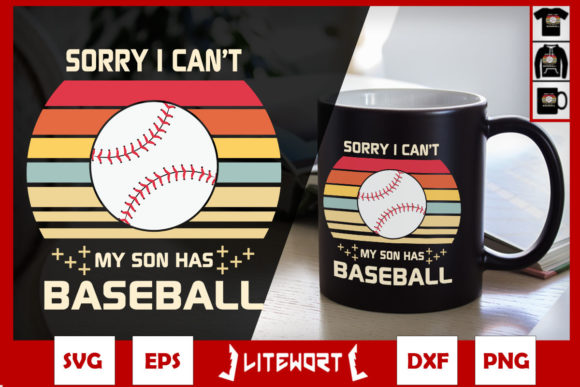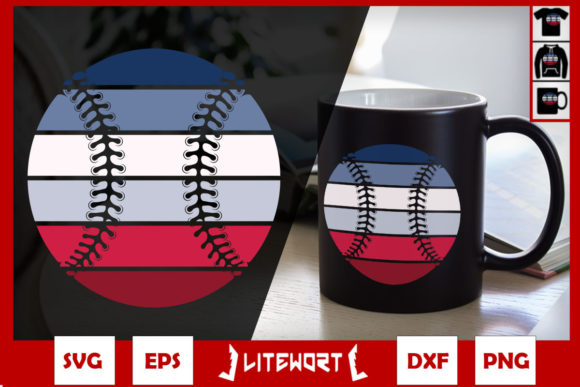
Vintage Retro Baseball Ball
First Impressions: Nostalgia That Stitches Clean
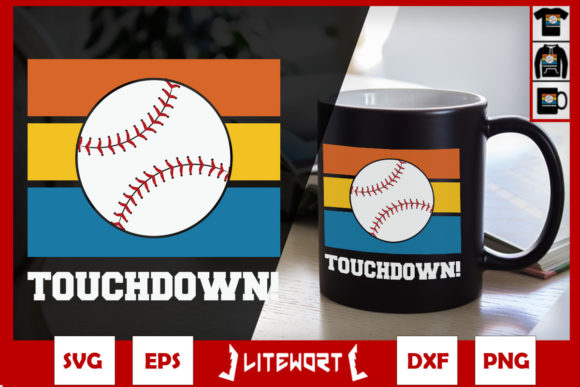
Opening the ZIP for Vintage Retro Baseball Ball, I immediately noticed how tightly composed it is — not overly busy, but rich with period-appropriate detail: the stitched seams, the subtle grain of the leather, the soft curve of the ball itself. It doesn’t scream “vintage” with loud fonts or distressed overlays; instead, it whispers it through thoughtful line weight and balanced negative space. As a designer who regularly selects embroidery files for client projects, I appreciate that this isn’t just a silhouette — it’s a characterful graphic with visual weight and intention. It feels like something you’d find on a 1950s ballpark poster or stitched onto a dad’s old canvas apron. That kind of authenticity translates directly into handmade product appeal.
Real-World Use: From Tote Bag to Tiny Onesie
Last week, I prepped a custom order for a local boutique: embroidered baseball-themed tote bags for a youth league fundraiser. I pulled up Vintage Retro Baseball Ball to test on cotton duck canvas — medium-weight, stable, ideal for crisp stitch definition. The design scaled beautifully at 3.5 inches wide, holding clean edges without overloading the fabric. No bleeding, no thread nesting in the seam lines. I also ran a smaller version (2.2 inches) on a baby onesie using lightweight tear-away stabilizer and a 60/8 needle — the satin stitch along the stitching lines stayed smooth, and the fill stitches didn’t pucker the knit. That versatility matters: whether you’re making sweatshirt embroidery for teens, embroidered patches for scout uniforms, or holiday gifts like pillow covers for baseball-loving grandparents, Vintage Retro Baseball Ball adapts without looking generic or pixelated.
Where It Shines — And Where to Pause
This design excels on structured, low-stretch fabrics: canvas totes, denim jackets, twill caps, tea towels, and even linen aprons. Its clean outlines and moderate detail level make it forgiving on textured surfaces — I’ve used it on waffle-weave kitchen towels with zero loss of legibility. It also holds up well on dark fabric when paired with high-contrast thread (think navy cap + bright white or cream thread). But be mindful on ultra-thin or highly stretchy knits — the curved seam lines demand stability. If you’re applying it to a curved surface like a baseball cap front, confirm your hoop size allows for smooth tension across the arc. Also, avoid pushing it below 1.8 inches unless you’ve tested the small lettering or fine stitch areas first — those delicate seam details can blur or vanish on tiny hoops or dense fill settings.
Design Integrity Meets Customer Trust
When customers buy a handmade product, they’re buying confidence — in craftsmanship, clarity, and care. Vintage Retro Baseball Ball supports that trust because it reads clearly at a glance. No squinting. No confusing shapes. That’s critical for Etsy sellers listing personalized gifts or craft fair vendors selling custom apparel. A clear, confident graphic tells buyers your work is intentional — not just “cute,” but considered. It also strengthens brand consistency if you’re building a themed collection (e.g., vintage sports nursery decor or retro Americana merchandise). And for digital product sellers? This file works equally well as a standalone embroidery file or as part of a curated bundle — its clean vector roots (SVG, EPS) mean it scales smoothly for printable mockups or social media previews.
Practical Designer Notes Before You Stitch
- Always test first: Run Vintage Retro Baseball Ball on scrap fabric matching your final project’s weight and stretch — especially before committing to a client’s favorite sweatshirt or heirloom baby blanket.
- Check thread color contrast: This design relies on shape and contour, not heavy shading — so thread choice dramatically affects impact. Try matte cotton for a soft vintage look, or high-sheen polyester for bold retail-ready definition.
- Review stitch density: While not an ultra-dense design, inspect where satin stitches meet fill areas — adjust underlay or reduce density slightly if your machine struggles on thick layers or fuzzy fleece.
- Confirm hoop compatibility: The file includes SVG, PNG, DXF, and EPS — great for designers, but remember: embroidery machines require converted formats (PES, DST, JEF, etc.). Double-check conversion quality, especially around curved seams.
- Inspect small details: Zoom in on the stitching lines — are they crisp? Do corners stay sharp? If your software shows jagged edges, resample or re-export before digitizing.
- Test light/dark backgrounds: Mock it up in black-and-white — does it retain personality on both? I found Vintage Retro Baseball Ball reads strongly on either, which expands your fabric options.
- Stabilizer strategy: Medium-weight cutaway works best for knits and long-term wear; tear-away suffices for stable wovens like canvas or linen.
- Licensing check: Since this is a digital embroidery file sold as a Graphics asset, verify commercial use rights before selling finished embroidered products or bundling it into your own craft business kits.
Final Thought: A Quiet Workhorse With Personality
Vintage Retro Baseball Ball isn’t flashy — and that’s its strength. In a market flooded with overdesigned, trend-chasing graphics, this one lands with quiet confidence. It’s the kind of embroidery file that disappears into the product while elevating it: the perfect centerpiece for a custom apron, the subtle charm on a baby’s bib, the nostalgic anchor on a boutique’s limited-run tote. For crafters, Etsy sellers, and small shop owners, it’s less “just another baseball design” and more a reliable, expressive tool — one that stitches cleanly, sells thoughtfully, and feels authentically handmade. Just remember: respect the fabric, honor the detail, and always test before you commit. That’s how good design becomes great finished product.